Upholstery cleaning for Canonbury and Barnsbury flats
Posted on 12/05/2026
If you live in a Canonbury or Barnsbury flat, you already know the rhythm of the place: a bit of city dust by the window ledge, boots by the door, a sofa that quietly does the hard work every day. Upholstery cleaning for Canonbury and Barnsbury flats is not just about making a living room look fresher for five minutes. It is about keeping fabric furniture comfortable, hygienic, and presentable in homes where space is precious and every item has to earn its keep.
Whether you are dealing with a well-loved two-seater in a period conversion, dining chairs in a compact kitchen, or a velvet armchair that has seen one too many coffee mornings, the right approach matters. This guide walks through how upholstery cleaning works, what to expect, when it makes sense, and how to avoid common mistakes. It also links out to useful local and service pages, including upholstery cleaning in Islington, our services overview, and pricing and quotes, so you can move from research to action without guesswork.
Truth be told, in flats across these parts of Islington, clean upholstery often makes the whole place feel bigger, brighter, and a bit easier to breathe in. Small change. Big difference.
Why Upholstery cleaning for Canonbury and Barnsbury flats Matters
Flats in Canonbury and Barnsbury tend to have a few things in common: smart layouts, older character features, and furniture that gets used properly. Sofas, ottomans, dining chairs, and headboards all pick up the daily mix of dust, skin oils, cooking residue, pet hair, and accidental spills. Over time, that build-up becomes visible, but not always in an obvious way. Sometimes the fabric just looks dull. Sometimes there is a faint smell you only notice when you sit down in the evening and the room is quiet.
Upholstery cleaning helps reset that. It removes embedded dirt from fibres, reduces surface staining, and refreshes the feel of a room without needing to replace furniture. In a flat, that matters even more because furniture often sits close together, which means dust and odours can linger. A good clean can also support a better overall cleaning routine, especially if you already keep on top of the floors with carpet cleaning in Islington or regular domestic cleaning.
There is also a practical side to it. Many Canonbury and Barnsbury homes are rented or part of shared living arrangements, so keeping soft furnishings in good condition can help avoid awkward end-of-tenancy conversations later. If you are preparing for a move, a professional clean may sit neatly alongside end of tenancy cleaning in Islington. If you are staying put, it is about comfort and longevity. Either way, it pays off.
Key point: the earlier you deal with stains and general build-up, the more likely the fabric is to respond well. Waiting until a sofa looks tired can still be fixed, but it usually takes more care.
How Upholstery cleaning for Canonbury and Barnsbury flats Works
Most upholstery cleaning starts with an inspection. That sounds simple, but it is the part that makes the biggest difference. A good technician checks the fabric type, the frame shape, the condition of seams, and any visible staining. They will also look for care labels where possible, because not every fabric should be treated the same way. Velvet, linen blends, microfibre, wool mixes, and synthetic upholstery all behave differently under moisture and agitation.
From there, the cleaner chooses a method. In many cases, the process includes dry soil removal, pre-treatment of spots, gentle agitation, and then either hot water extraction or low-moisture cleaning depending on the material. Some fabrics need quicker drying times. Some need a lighter touch. That judgement is where experience matters, because one-size-fits-all upholstery care is usually a bad idea.
For flats, access and workflow matter too. Tight hallways, smaller rooms, and stair-only access can affect setup, so professionals often plan equipment carefully. It is one of those little things that sounds boring until you have a hose trailing across a narrow landing. Not ideal.
After the main clean, a technician may do a post-treatment pass on remaining marks and then advise on drying, ventilation, and aftercare. You should expect the furniture to feel damp rather than soaked, assuming the correct method has been used. Strong smell of detergent is not the goal. Clean fabric is the goal.
For readers comparing cleaning services more broadly, house cleaning in Islington and domestic cleaning in Islington can support the same "whole-home refresh" effect, especially in compact flats where the furniture and floor space are visually connected.
Key Benefits and Practical Advantages
Upholstery cleaning does more than lift visible marks. Done properly, it can make a flat feel cleaner in a way that is hard to fake. Here are the benefits that matter most to Canonbury and Barnsbury residents.
- Improved appearance: Fabrics often regain colour depth and texture once embedded dust is removed.
- Better everyday comfort: Sofas and chairs feel fresher to use, especially if you spend a lot of time at home.
- Odour reduction: Cooking smells, pet odours, and general stale-air buildup can sit in fibres.
- Longer furniture life: Regular cleaning reduces the wear caused by grit and grime in the weave.
- Useful for renters and landlords: Clean upholstery helps present the property well for inspections, lettings, or check-outs.
- Supports a healthier-feeling space: While not a medical treatment, removing dust and debris can make a room feel less stuffy.
There is a more subtle benefit too. In smaller flats, the sofa often acts like a visual anchor. When it is clean, the whole room reads better. Cushions look more intentional, curtains seem less dusty by comparison, and the room feels cared for. That may sound cosmetic, but in a flat, cosmetic and practical often overlap.
Expert summary: If your upholstery is structurally sound but looks tired, cleaning is usually the smartest first move before repair or replacement. It is often cheaper, quicker, and less wasteful.
Who This Is For and When It Makes Sense
Not every flat needs upholstery cleaning at the same moment, and to be fair, some pieces can go a long time with light maintenance. But there are clear signs that it makes sense to book a clean.
Homeowners
If you live in your flat full-time, you will probably notice gradual dulling rather than sudden damage. A deep clean is useful after winter, before guests arrive, or when the main sofa starts to look flat and grey around the seat cushions.
Renters
If you rent in Canonbury or Barnsbury, upholstery cleaning can help maintain a good relationship with the property and the landlord. It is especially useful before an inspection or at the end of a tenancy. Even when the furniture belongs to you, a clean sofa can make a rented flat feel more like home. And let's face it, that matters.
Landlords and letting agents
For furnished or part-furnished flats, upholstery cleaning can help protect asset value and improve presentation for viewings. It is often paired with end of tenancy cleaning or broader property refresh work.
Families and pet owners
Children, snacks, pets, and soft furnishings are not always a tidy combination. That is just reality. If your sofa sees daily action, cleaning becomes less of a luxury and more of a maintenance task.
People preparing for a sale or rental marketing
A clean sofa can make photos look better and viewings feel more inviting. If you are exploring local housing trends, these pages may also help with context: Islington property market insights and Islington property investment advice. Fresh presentation is rarely the only factor, but it does influence first impressions.
Step-by-Step Guidance
If you want to understand what a proper upholstery clean looks like, this is the basic flow. It is not overly glamorous, but it works.
- Identify the fabric. Check the care label if it is available. If not, the cleaner should assess the material manually.
- Vacuum thoroughly. Dry soil is removed first so it does not turn into sludge during cleaning. Simple, but essential.
- Test a small hidden area. This helps check colour stability and reaction to the chosen solution.
- Pre-treat spots and traffic areas. Armrests, headrests, and seat fronts usually need extra attention.
- Apply the appropriate cleaning method. This may be hot water extraction, low-moisture cleaning, or another fabric-safe process.
- Extract or absorb residue. The aim is to remove loosened dirt without oversaturating the material.
- Check for remaining marks. Some stains need a second pass, some do not shift fully, and honesty matters here.
- Set drying guidance. Open windows if possible, improve airflow, and avoid sitting on the furniture too soon.
In a flat, the drying stage can be just as important as the clean itself. A sofa wedged into a room with poor airflow will dry more slowly than one in a bright space with open windows. If you have a dehumidifier, it can help. If not, a bit of sensible ventilation usually does the job.
One small but helpful rule: do not rush the process because the upholstery feels "almost dry." Almost dry is not dry. That's how water rings and musty smells sneak back in later. Slightly annoying, but avoidable.
Expert Tips for Better Results
Over time, certain habits make a big difference. They are not flashy. They just work.
- Deal with spills fast: Blot, do not scrub. Scrubbing pushes the spill deeper and can rough up the fibres.
- Rotate cushions: If the seat cushions are reversible, turn them regularly so wear is more even.
- Vacuum weekly: A soft brush attachment helps lift dust and crumbs before they settle in.
- Use throws wisely: Not as a cover-up forever, but as protection during heavy use periods.
- Watch sun exposure: Flats with bright windows can get fabric fading on one side of a sofa or chair.
- Be careful with shop-bought sprays: If you do not know the fabric type, random chemicals are a gamble.
If you are trying to keep your whole flat in shape, it can help to think of upholstery as part of the same maintenance cycle as carpets, curtains, and general domestic cleaning. A clean sofa next to dusty blinds still feels a bit off. The room needs balance.
Quick tip: For delicate fabrics, less product and more patience usually beats aggressive cleaning every time. That sounds obvious, but people forget it in the middle of a stain panic.
Common Mistakes to Avoid
A lot of upholstery damage comes from well-meant but clumsy cleaning attempts. Most of these mistakes are avoidable if you slow down a little.
- Using too much water: Soaking the fabric can leave marks, cause lingering moisture, or affect inner padding.
- Rubbing stains hard: This spreads the stain and can fray the surface.
- Ignoring the fabric label: Some upholstery cannot tolerate standard wet cleaning.
- Mixing products: Combining chemicals is a bad idea unless you know exactly what is in them.
- Skipping a test patch: One small hidden test can save an expensive mistake.
- Using furniture too soon: Sitting on damp cushions compresses fibres and slows proper drying.
Another mistake is assuming all staining is purely cosmetic. A dark mark may be surface dirt, but it could also be dye transfer, grease, or old spill residue. Different problems need different treatment. That is why a quick diagnosis is worth more than random effort.
For local readers who are also thinking about broader cleaning needs, it may be useful to read this carpet cleaning guide for Angel N1 homes. The principles overlap more than people realise, especially around fibre care and stain treatment.
Tools, Resources and Recommendations
You do not need a van full of specialist gear to understand good upholstery cleaning, but a few basics help.
| Tool or Resource | What It Does | Why It Helps in Flats |
|---|---|---|
| Vacuum with upholstery attachment | Lifts dust, grit, crumbs, and pet hair | Prevents dirt from settling deep into compact living spaces |
| Microfibre cloths | Useful for gentle blotting and product application | Small, tidy, and easy to manage in limited storage |
| Fabric-safe cleaning solution | Treats specific marks without harsh abrasion | Reduces the risk of damage on delicate materials |
| Dehumidifier or good ventilation | Speeds drying and helps reduce lingering dampness | Very useful where window space is limited |
| Professional upholstery service | Assesses fabric and uses appropriate methods | Best option for valuable, delicate, or heavily used furniture |
When choosing a provider, it is sensible to review their service information, safety approach, and customer policies. Pages like about us, insurance and safety, and terms and conditions are boring in the best possible way. They tell you whether the business takes the work seriously.
If you are comparing services, office cleaning in Islington is not the same job, of course, but it can still give you a feel for how a provider handles different environments and standards of care. That kind of cross-check is actually useful.
Law, Compliance, Standards, or Best Practice
Upholstery cleaning in a private flat is not usually a heavily regulated activity in the way some specialist trades are, but good practice still matters. A reputable cleaner should work carefully around fabric labels, ventilation, safe product use, and electrical safety where powered equipment is involved.
In the UK, businesses providing cleaning services should be clear about insurance, complaints handling, payment security, and customer data practices. That is basic trust, not a bonus feature. It is sensible to check payment and security, complaints procedure, and privacy policy before booking any home service.
For landlords and letting professionals, it is wise to ensure cleaning is documented clearly, especially where inventory reports or checkout conditions are involved. No need to overcomplicate it, but written confirmation of scope can prevent confusion later. Best practice is usually simple: match the cleaning method to the fabric, protect the property, and communicate honestly about what can and cannot be removed.
If you want a broader view of the company's standards, the health and safety policy and accessibility statement are useful reference points. They may not be thrilling reading, but they do show whether the business is organised and thoughtful.
Options, Methods, or Comparison Table
Not every piece of furniture needs the same treatment. Here is a simple comparison of the most common approaches.
| Method | Best For | Pros | Watch Outs |
|---|---|---|---|
| Vacuum-only maintenance | Light upkeep between deeper cleans | Fast, easy, low risk | Will not remove stains or embedded grime |
| Spot cleaning | Fresh spills and small marks | Targets one area, inexpensive | Can leave tide marks if done poorly |
| Low-moisture cleaning | Delicate fabrics and quick drying needs | Less water, often faster drying | May not suit heavy soiling |
| Hot water extraction | Durable fabrics and deeper soil removal | Thorough, effective on many common upholstery types | Must be controlled carefully to avoid overwetting |
| Professional assessment and tailored clean | Mixed fabric homes, valuable pieces, rental properties | Safest and most adaptable | Requires proper inspection and experienced handling |
For Canonbury and Barnsbury flats, tailored cleaning is usually the strongest option because furniture layouts and fabric mixes are rarely straightforward. One sofa might be easy. The next one, with age, sun fade, and a tricky cushion fill, may need a gentler approach. Same building, totally different job.
Case Study or Real-World Example
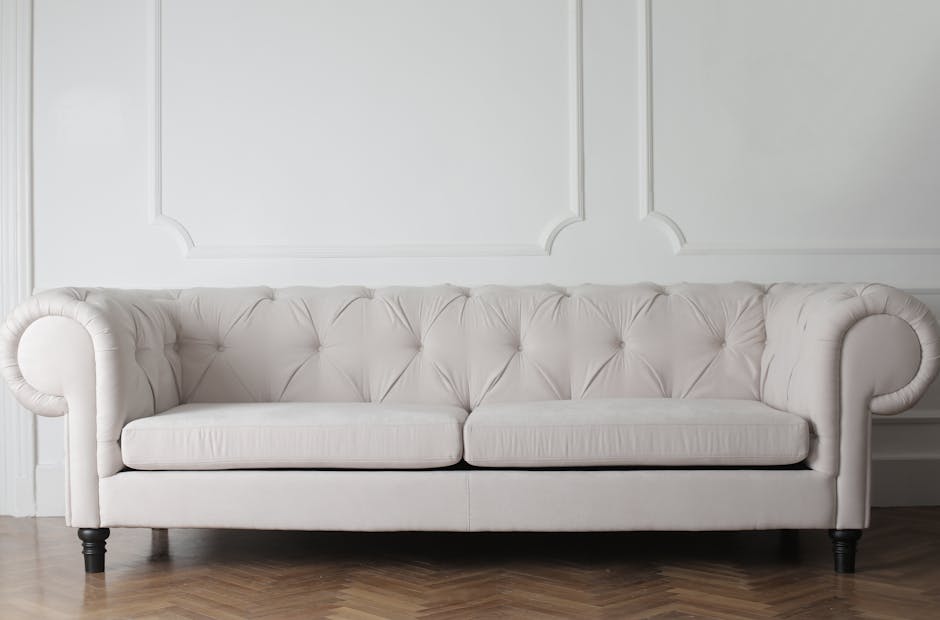
Imagine a two-bedroom flat in Barnsbury with a pale fabric corner sofa, four dining chairs, and a headboard in the main bedroom. The sofa has light traffic marks on the seat cushions, a faint coffee stain near one arm, and a general grey cast from daily use. Nothing dramatic. Just enough to make the room feel tired.
The first step is a fabric check. The sofa is synthetic blend, the chairs are similar, and the headboard is more delicate. The cleaner vacuums thoroughly, pre-treats the obvious marks, and then uses a controlled extraction method on the sofa and chairs. The headboard gets a lighter treatment because it is more sensitive and not as heavily soiled.
After cleaning, the flat feels visibly brighter. The room does not look "new," because that would be unrealistic, but it looks cared for. The coffee mark has faded significantly, the traffic areas are lighter, and the sofa no longer carries that slightly stale, lived-in smell that builds up over time. The resident can open the windows for a bit, put the cushions back later, and enjoy the place again that evening.
This is a good example of what sensible upholstery cleaning does in a flat: not magic, not a total transformation, just a proper reset.
Practical Checklist
Use this checklist before booking or carrying out upholstery cleaning in your flat.
- Check the fabric type or care label if available.
- Identify any stains, wear patches, or odours in advance.
- Decide whether one item or several need cleaning.
- Clear enough space around the furniture for safe access.
- Ask how the cleaner handles delicate fabrics and drying times.
- Confirm whether moving cushions, light furniture, or small items is included.
- Review insurance, payment, and complaints information.
- Plan ventilation for after the clean.
- Avoid using the furniture until it has dried properly.
- Book regular maintenance if the furniture gets heavy daily use.
If your flat is part of a busier household, it can also help to plan the clean around your calendar. A Friday afternoon booking, for example, can be handy if you want the weekend for drying and resetting the room. Small thing, but it saves hassle.
Practical takeaway: The best upholstery clean is usually the one that is matched to the fabric, the room, and the way you actually live.
Get a free quote today and see how much you can save.
Conclusion
Upholstery cleaning for Canonbury and Barnsbury flats is one of those services that quietly improves everyday life. It refreshes the furniture you use most, supports the feel of the whole flat, and helps protect items that are often expensive to replace. In homes where space is tight and every surface matters, that is no small thing.
Whether you are looking after a treasured sofa, preparing a rental property, or simply tired of looking at seat marks that never quite disappear, a careful, fabric-aware clean is usually the smartest next step. If you want to explore related services, you can also look at carpet cleaning in Islington and the wider service overview to plan a full home refresh.
Clean upholstery does not shout. It just makes the room feel calmer, lighter, and a bit more like yours again. That's often enough.