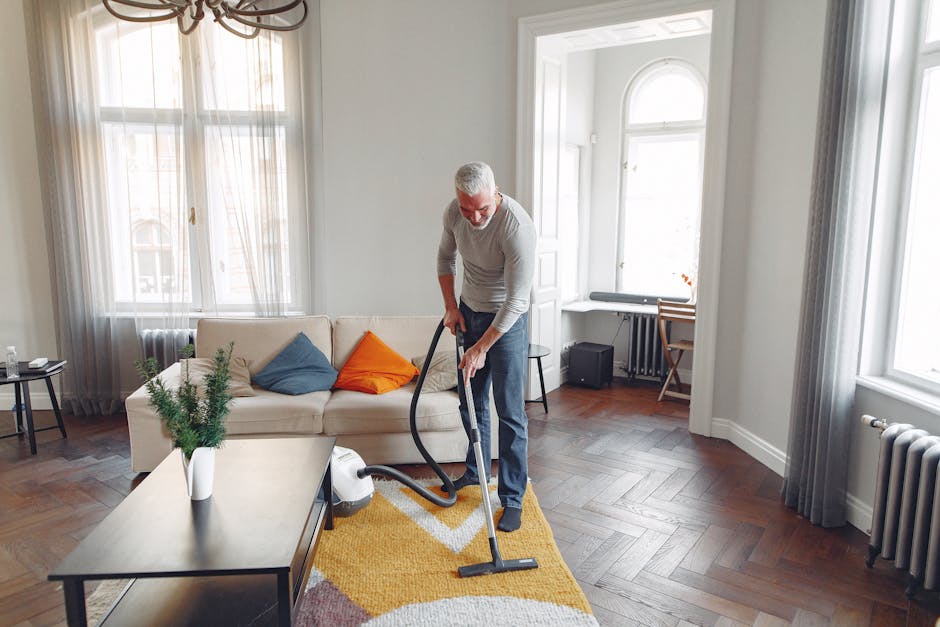
Carpet cleaning guide for Angel N1 homes
Posted on 30/04/2026
Carpet Cleaning Guide for Angel N1 Homes
If you live in Angel, you already know the floor under your feet takes more of a beating than it looks like at first glance. Mud from a damp London morning, crumbs after a rushed breakfast, pet hair, spilled coffee, tracked-in grit from the pavements near Upper Street, it all adds up. This carpet cleaning guide for Angel N1 homes is here to make the whole thing simpler: what actually works, what to avoid, and when it makes sense to bring in a professional rather than battling a stain with a sponge and hope. To be fair, hope is not a cleaning method.
Whether you rent a flat, own a period terrace, manage a busy household, or are preparing for end of tenancy, clean carpets do more than look nice. They help a room feel fresher, reduce that stale, dusty smell that can creep in over time, and protect the fibres you've already paid for. This guide walks through the practical side of carpet care for Angel homes, with local context, realistic expectations, and enough detail to help you make a good decision.
If you're comparing services or looking for a fuller picture of what cleaning support is available, you may also find the services overview helpful, along with the dedicated carpet cleaning in Islington page for local service details.
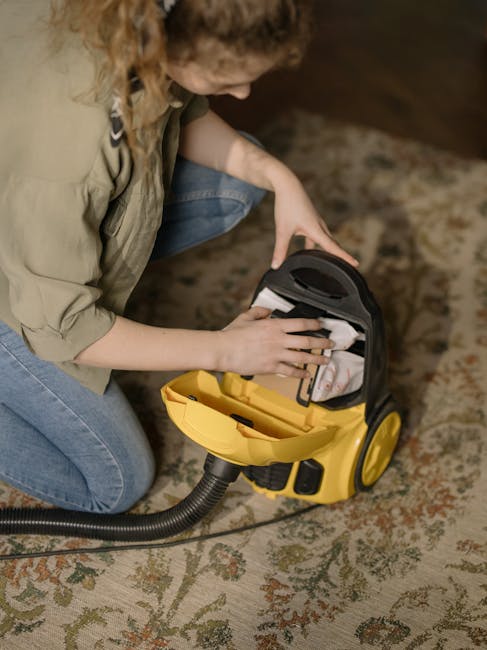
Why Carpet Cleaning Matters in Angel N1 Homes
Angel homes have a few quirks that make carpet care more important than people sometimes expect. Many properties in the N1 area are busy, lived-in spaces: family flats, shared houses, converted buildings, and rental properties with a lot of foot traffic. Add London weather to the mix and carpets can start looking tired far sooner than you'd like. Damp shoes, fine street dust, bits of soil from nearby parks, and everyday spillages all settle into fibres and slowly dull the whole room.
There's also a comfort angle. A clean carpet changes how a home feels the moment you walk in. The room smells fresher, colours look brighter, and it's easier to keep on top of general housework. That matters if you're hosting friends after work, planning a move, or simply trying to make a one-bedroom flat feel calmer at the end of a long day. Small things, but they matter.
Another reason this topic matters in Angel specifically is property presentation. In areas where flats move quickly and landlords expect decent upkeep, carpets can heavily influence first impressions. A room can be spotless elsewhere, yet if the carpet is stained or matted, it gives the wrong message. That's one reason many residents pair carpet maintenance with broader home care such as domestic cleaning in Islington or, where a property is being handed back, end of tenancy cleaning.
Expert takeaway: carpet cleaning is not just about appearance. In a busy Angel home, it's about freshness, fibre care, allergen reduction, and protecting the feel of the whole room.
How Carpet Cleaning Works
At a basic level, carpet cleaning removes soil from fibres using a mix of chemistry, agitation, heat, moisture, and extraction. That sounds more dramatic than it is. In plain English, you loosen the dirt, break down the grime, then lift it out without soaking the backing or leaving residue behind. The best method depends on the carpet type, the age of the stain, and how much wear the area has seen.
Most home carpet cleaning falls into a few broad approaches. Vacuuming is the starting point, not the whole job. Spot treatment handles fresh spills or specific marks. Hot water extraction, often called steam cleaning by the public, is a common deep-cleaning method for many domestic carpets. Low-moisture cleaning is sometimes better where drying time needs to be shorter, and careful hand treatment may be needed for delicate fibres.
If you're using a professional service, the process usually begins with an inspection. A good cleaner will look at the fibre type, identify traffic lanes, check for hidden marks, and decide how much pre-treatment is needed. That's the sort of judgment you want. Not every carpet should be treated the same way, and anyone promising a one-size-fits-all miracle is probably skipping the detail that prevents damage.
For homes where carpets are part of a broader upholstery and floorcare routine, it can make sense to combine services. For example, chairs, sofas, and rugs often collect the same dust and odours as the carpet. You can explore that relationship through upholstery cleaning in Islington, which is often useful in living rooms and family spaces.
Key Benefits and Practical Advantages
The obvious benefit is that carpets look better. But the practical value goes further than a fresh appearance. A proper clean can remove embedded grit that acts like sandpaper on fibres, which helps carpets last longer. That matters in homes where replacing flooring is not something you want to do lightly. Let's face it, carpets are expensive enough already.
Clean carpets can also improve day-to-day comfort. If you have children crawling around, a dog that likes the hallway rug a little too much, or guests coming and going, fresh fibres simply feel more pleasant underfoot. There's also the psychological effect: a tidy floor makes the whole home feel more under control. It's a small domestic win, but a real one.
Here are the main advantages many Angel residents notice:
- better room appearance and brighter colour
- reduced lingering odours from food, pets, and damp footwear
- less visible dirt in high-traffic areas
- improved fabric care and longer carpet life
- better presentation for tenants, landlords, and viewings
- a cleaner base for regular household maintenance
There's also a seasonal benefit. In wet months, carpets can trap more moisture and grime. In warmer periods, dust and pollen can become more noticeable. A sensible cleaning routine helps the home feel balanced year-round rather than waiting until the carpet looks obviously bad, which by then is often already too late.
Who This Is For and When It Makes Sense
This guide is useful for a wide range of Angel households. If you're a tenant, carpets matter because you'll want to avoid deductions and hand the property back in decent shape. If you're a landlord or managing an investment flat, presentation and turnaround time matter just as much. You may also be preparing for moving day, post-renovation clean-up, or just a reset after a busy stretch of living in the property.
Homeowners in Angel often benefit too, especially in older properties where carpets have had years of use and regular vacuuming just isn't lifting the deeper soil. If you've noticed flattened traffic paths, a lingering smell after rain, or spots that keep reappearing, that's usually a sign the issue sits below the surface. A quick surface clean won't touch it.
This is also relevant if someone in the household has sensitivities to dust. No cleaning method is a medical solution, and it would be wrong to overstate the effect, but reducing built-up dirt can make a home feel less stuffy. That's a fair, practical expectation.
If you want background on the local area and the kind of homes people live in nearby, the article on whether Islington is a good place to call home gives a useful sense of the neighbourhood context. And if you are the sort of person who likes understanding the broader area before spending money on the property itself, there's also Islington property market insights.
Step-by-Step Guidance
If you want better results, the process matters. Rushing straight in with a machine or a bottle of cleaner usually leads to disappointment. Here's the method that tends to work best in real homes.
- Vacuum thoroughly first. Remove loose dirt, crumbs, pet hair, and grit. If you skip this, the cleaning solution can turn surface dust into muddy residue.
- Identify the carpet type. Wool, synthetic, blended, and loop-pile carpets all respond differently. A cleaner approach for one can be too aggressive for another.
- Test any product in a hidden area. Stair edges, behind furniture, or inside a cupboard-edge section are good test spots. Check for colour change or fibre reaction.
- Pre-treat spots and heavy-traffic zones. Hallways, sofa fronts, and chair areas usually need more attention than the rest of the room.
- Use the right amount of moisture. Too little and the soil stays behind; too much and drying takes forever. Wet carpets that stay damp can develop odours.
- Extract or blot properly. Don't just move the dirt around. Lift it out, then go over the area as needed.
- Dry the carpet completely. Open windows if weather allows, use ventilation, and keep furniture off the area until it's properly dry.
- Re-check problem spots. Some stains look gone when wet but return as they dry. That's normal enough, and a second pass is sometimes needed.
For busy homes, a sensible rhythm is to vacuum regularly and schedule deeper cleaning as needed depending on use. A small flat with one or two occupants may cope differently from a family home with pets and constant foot traffic. That's just reality.
Expert Tips for Better Results
A few practical habits make a surprisingly big difference. First, treat spillages quickly. The longer coffee, wine, or food residue sits, the more likely it is to bond with the fibres. The trick is not to scrub like mad. Dab, lift, and work from the outside of the stain inward. Scrubbing often spreads the mark and roughs up the pile.
Second, rotate furniture where you can. Traffic lanes form because people walk the same paths every day. Moving a chair or small sofa by even a few inches now and then can help distribute wear more evenly. It sounds minor, but the carpet will thank you.
Third, pay attention to entrance areas. In Angel homes, hallways and doorway sections usually take the worst of the outdoor grit. A decent mat outside the door and another inside can cut down on soil dramatically. Not glamorous, but effective.
Fourth, think in layers. Vacuuming, spot care, and deep cleaning each do a different job. If you only deep clean once in a blue moon, the carpet has already done years of hard work in between. Better to keep it steady.
And a small one, but useful: if you're using a professional cleaner, ask what drying time to expect and how they handle delicate fibres. Good providers should be able to explain that clearly. If they can't, that's a bit of a red flag, honestly.
For more on the people and the company behind the service, you can also read about us, which helps build trust before you book.
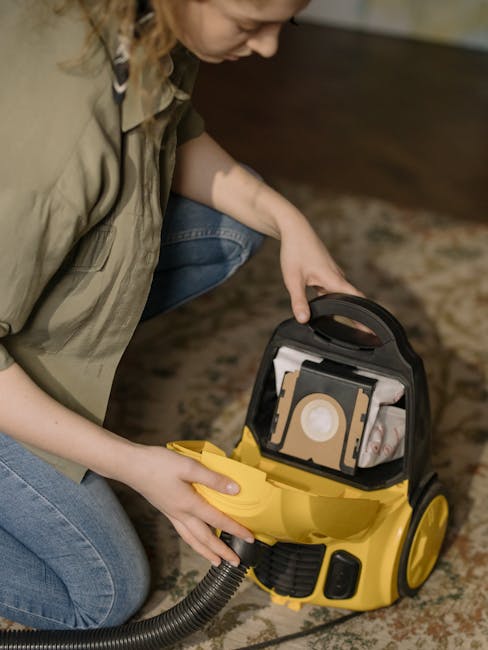
Common Mistakes to Avoid
Many carpet problems start with good intentions and poor technique. The classic mistake is over-wetting. It feels logical to use more water if you want more cleaning power, but carpets are not a kitchen floor. Too much liquid can push dirt deeper, extend drying time, and leave a musty smell.
Another mistake is using the wrong product. Bleach-based cleaners, harsh solvents, or strongly scented sprays can damage fibres or leave sticky residue that attracts dirt later. If a product seems designed for anything and everything, be wary. Carpet fibres are a bit more fussy than that.
Here are the ones that come up most often:
- scrubbing stains aggressively instead of blotting
- mixing cleaning products without understanding the reaction
- skipping vacuuming before deep cleaning
- leaving furniture on damp carpet too soon
- ignoring hidden dirt under sofas or beds
- assuming all carpets can be cleaned the same way
- waiting until stains are old and set
A less obvious mistake is trying to fix every stain immediately with random household products. Sometimes that helps. Sometimes it makes things worse. If you're not sure what the mark is, or you suspect the fibre is delicate, pause and test first. That one pause can save a lot of grief.
Tools, Resources and Recommendations
You do not need a cupboard full of fancy products to keep carpets in good shape. In most Angel homes, the basics are enough if you use them properly. A decent vacuum with strong suction, clean microfibre cloths, a mild carpet-safe stain remover, and a soft brush for working product into the pile will cover a lot of ground. A fan or open windows also help more than people expect during drying.
For households that want a broader cleaning plan rather than just one-off spot fixes, it can help to think in terms of room type. Living rooms usually need regular vacuuming and occasional deep treatment. Bedrooms may need less frequent work but still benefit from dust removal. Hallways and stairs are the ones that wear out fastest, no surprise there.
If you are comparing professional options, these pages can help you understand scope and practical next steps:
- pricing and quotes for getting a clear idea of service expectations
- house cleaning in Islington if you want carpet care as part of a wider home clean
- office cleaning in Islington if your needs are mixed-use or commercial
One practical resource many people overlook is a simple spot log. If a stain keeps returning, note when it happened, what caused it, and what you used to treat it. That makes it easier to identify whether the problem is residue, discolouration, or just a stain that needs deeper extraction. Slightly nerdy, maybe. Effective though.
Law, Compliance, Standards, or Best Practice
For most homeowners, carpet cleaning is a practical maintenance task rather than a regulated activity. Still, there are a few best-practice considerations worth keeping in mind. If you use a professional company, it is sensible to look for clear communication about insurance, safety, and terms of service. That is especially true in flats, rented properties, and homes with valuables or delicate flooring nearby.
If you are a tenant, keep an eye on the condition of the property and any cleaning requirements in your tenancy agreement. You do not need to overthink every clause, but understanding the expected standard can prevent disputes at the end of a tenancy. A common-sense approach is usually enough: return the carpet in a reasonably clean condition, account for fair wear and tear, and keep records if anything unusual occurs.
Landlords and property managers should also be mindful of safety and access. Wet carpets, moving equipment through tight stairwells, and working around electrical fittings all require care. If a provider cannot explain how they handle safety, insurance, or complaints, that is not ideal. In those cases, it helps to review pages like insurance and safety and health and safety policy before making a decision.
For transparency on business practices and customer expectations, it can also be useful to check terms and conditions and the complaints procedure. Not glamorous reading, I know, but very sensible reading.
Options, Methods, or Comparison Table
Different carpet cleaning methods suit different homes. The right choice depends on carpet type, how dirty the area is, and how quickly you need the room back in use. Here is a simple comparison to make the decision easier.
| Method | Best for | Strengths | Watch-outs |
|---|---|---|---|
| Vacuuming | Routine upkeep | Removes loose dirt, slows wear, simple and quick | Won't remove deep stains or embedded soil |
| Spot cleaning | Fresh spillages and small marks | Fast response, low effort, useful between deeper cleans | Can spread stains if overworked or treated with the wrong product |
| Hot water extraction | Deeper domestic cleans | Good for embedded soil, traffic areas, and freshness | Longer drying time if over-used or poorly extracted |
| Low-moisture cleaning | Quick turnaround needs | Shorter drying time, convenient for busy homes | May be less effective on heavily soiled carpets |
| Professional hand treatment | Delicate fibres or awkward stains | More controlled, tailored to material and condition | Usually slower and more specialist |
If you are unsure which route to take, think about the room itself. A bright living room with light daily use may respond well to standard extraction. A stair runner in a family home, by contrast, may need more careful handling. Not every carpet wants the same treatment, and that's completely normal.
Case Study or Real-World Example
Picture a typical Angel flat: two bedrooms, a small hallway, and a living room that doubles as a workspace. Over time, the hallway picks up grime from shoes and the living room carpet starts to look slightly flat where the desk chair rolls back and forth every day. Nothing dramatic. Just enough to make the place feel a little tired, especially on a grey morning when the light comes in and shows every mark.
The first step was a detailed vacuum, especially along the skirting and under furniture edges. Then the high-traffic lane in the hallway was pre-treated, followed by a careful deep clean in the living room. A few spots near the sofa were handled separately because they were older than they looked. That happens a lot, by the way. Old stains love to be sneaky.
After drying, the difference was not just visual. The room felt lighter and less stale, and the carpet pile looked more even. The owner did not need a brand-new floor. They just needed a proper reset. That is usually the real story with carpet cleaning: not transformation, but recovery. A sensible one.
In homes like this, a broader routine sometimes makes sense too. If carpets, furniture, and the rest of the property all need attention around the same time, pairing work with local property insights and planning the clean around viewings, tenancy changes, or seasonal refreshes can make the whole process easier.
Practical Checklist
Use this checklist before and after cleaning to keep things straightforward.
- vacuum the full carpet area thoroughly
- move light furniture where possible
- test any product in a hidden spot
- identify stains before applying treatment
- use clean cloths, not old grimy ones
- avoid soaking the carpet backing
- allow proper drying time
- keep pets and shoes off the carpet while damp
- inspect high-traffic zones after drying
- book a deeper clean when vacuuming no longer restores the pile
Quick practical summary: clean carpets in Angel homes stay looking better for longer when you combine regular vacuuming, fast stain response, and the occasional proper deep clean. That's the simple version, really. The hard part is just doing it consistently.
Conclusion
A good carpet cleaning routine for an Angel N1 home is not about chasing perfection. It is about keeping your space comfortable, presentable, and healthy-looking without overcomplicating the job. The most effective approach is usually the simplest one: vacuum well, treat spills quickly, clean according to fibre type, and do not over-wet the carpet. If the marks are stubborn or the room needs a proper reset, professional help can save time and protect the flooring you already have.
For local homes, the value is real. A fresher carpet makes the whole property feel easier to live in, which is a nice thing to come back to after a long day out in London. And honestly, a clean floor just changes the mood of a room. Small change, big difference.
Get a free quote today and see how much you can save.
If you want more background on the business behind the service, you can also review the company's payment and security information and explore the wider blog for more local home-care advice. Even if you are just planning ahead, that little bit of preparation tends to pay off.