

Carpet cleaning access issues in Victorian Islington homes
Posted on 24/06/2026
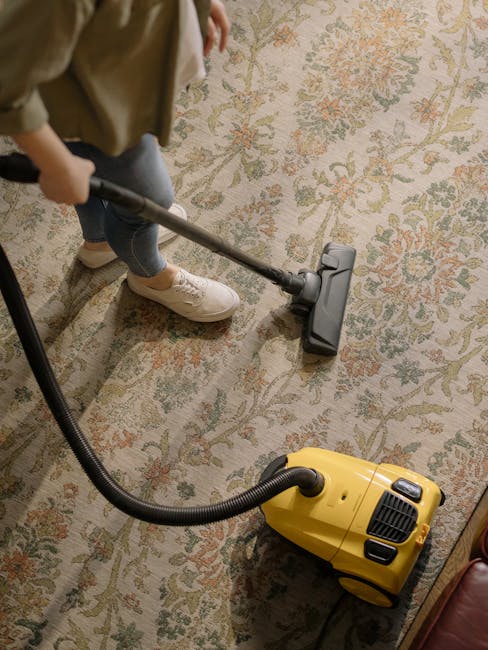
Carpet cleaning access issues in Victorian Islington homes: a practical guide for tricky Victorian layouts
Victorian homes in Islington have a lot going for them: tall ceilings, character stairs, sash windows, elegant rooms that still feel lived-in rather than polished to death. But they can also make carpet cleaning access issues in Victorian Islington homes a little more complicated than people expect. Narrow hallways, tight stair turns, basement rooms, shared entrances, awkward parking, and fragile original features can all slow a job down or change the equipment needed.
If you are trying to get carpets cleaned in a Victorian terrace, a converted flat, or a maisonette with a steep staircase, this guide walks you through the real access problems, why they matter, and how to plan around them without turning the whole thing into a faff. Truth be told, most access headaches are avoidable once you know what to look for.
We will cover the practical side of booking, moving equipment, preparing the space, and choosing the right cleaning method for a home that was built long before modern vacuum hoses, truckmounts, or parking permits were even a thought. And yes, that can make a big difference.
Why Carpet cleaning access issues in Victorian Islington homes matters
Access sounds like a small detail until it starts shaping the whole appointment. In Victorian Islington properties, the path from pavement to carpet is often more of a puzzle than a straight line. You may have narrow front steps, a shared hallway, awkward split levels, low light in basement areas, or a front door that opens directly into a tight staircase. That means the cleaner may need more time, more care, and sometimes different equipment.
This matters for three reasons. First, time: what takes forty minutes in a modern ground-floor flat can take much longer in a four-storey Victorian conversion. Second, results: if the cleaner cannot bring in the right machine, they may need to use a smaller portable system instead. Third, risk: bumps on bannisters, wet carpets on stair landings, or hoses stretched through communal areas can create avoidable stress.
For landlords and tenants, access is also tied to checkout deadlines and move-out schedules. If you have ever arranged an end of tenancy clean and realised the carpet cleaner has nowhere legal or practical to unload, you will know how quickly a simple booking can become a last-minute scramble. That is one reason a local, experience-led approach often helps. A bit of planning goes a long way.
And let's face it, Victorian homes are worth protecting. The original plasterwork, painted wood, and old stair rails do not always forgive rushed work.
How Carpet cleaning access issues in Victorian Islington homes works
In practice, access planning starts before anyone arrives. A good cleaner will usually want to know where the property is located, what floor it is on, whether there is lift access, how the carpeted areas connect, and whether parking or loading is available nearby. In a Victorian building, those details change the job more than people realise.
Typical access points that affect the visit
- Front door width and whether equipment can pass through without scraping walls.
- Staircase shape, especially narrow turns, half-landings, and steep risers.
- Basement or lower-ground access, which may involve tight internal steps or side entrances.
- Shared entrances in converted houses and mansion-style buildings.
- Parking and unloading close enough to carry equipment safely.
- Room layout and whether furniture must be moved before the cleaner can work.
Once on site, the cleaner usually checks what is physically practical. Sometimes the machine can be brought in as planned. Sometimes the cleaner has to switch to a portable unit, use longer hose runs, or clean in sections so that the equipment stays out of the way. That is not a failure. It is just how old buildings behave.
For example, a top-floor flat in a Victorian terrace near Upper Street may have a lovely long staircase but not much space to stand and turn with a large machine. In that situation, the cleaner may ask for furniture to be shifted, rugs to be rolled back, and the route to be kept clear before the job starts. The difference between a smooth visit and a stressed one is often just a bit of prep.
How access changes the cleaning method
Access issues can influence whether hot water extraction, dry compound cleaning, or a portable machine is the better fit. Not every method is right for every property. The ideal choice depends on carpet fibre, drying expectations, moisture control, and how easy it is to bring equipment in and out.
If you want a broader sense of how carpet care fits into local homes, the carpet cleaning guide for Angel N1 homes is a useful companion read, especially for properties with mixed layouts and older finishes.
Key benefits and practical advantages
Getting access right is not just about making the cleaner's life easier, although that matters too. It has direct benefits for your carpets, your time, and your budget.
- Fewer delays because the team arrives with the right plan and equipment.
- Lower risk of damage to walls, paintwork, bannisters, and flooring outside the carpeted areas.
- Better cleaning performance because the cleaner can work properly rather than fighting the building.
- More accurate quotes since access conditions are known in advance.
- Less disruption for neighbours and housemates.
- Improved drying outcomes because the setup can be adjusted for ventilation and room use.
There is also a quiet emotional benefit. When the access issue is handled well, the whole job feels calm. No hauling equipment through a tiny hallway while apologising to a neighbour with a pram. No standing around wondering whether the van can park anywhere nearby. Just a clear, tidy process.
If you are comparing cleaning options more broadly, the services overview and pricing and quotes pages can help frame what is likely included and how pricing may be affected by difficult access. Small details, but useful ones.
Who this is for and when it makes sense
This topic is relevant to more people than you might think. It is not only for landlords or people with extremely awkward houses.
- Homeowners in Victorian terraces or conversions who want carpets cleaned without damage to original features.
- Renters who need a reliable appointment before moving out or after a spill.
- Landlords and letting agents managing end of tenancy turnaround in older buildings.
- Families living in split-level homes where children, furniture, and daily life already make access tricky.
- Flat sharers who need a cleaner to work around communal entrances and inconsistent room access.
- Office or studio occupiers in older mixed-use buildings where access is not exactly straightforward.
It makes the most sense to plan carefully when the property has more than one of these traits: stairs, limited parking, long carrying distance, fragile finishes, or time-sensitive cleaning requirements. If the carpet is in a basement reception room and the van cannot stop close by, you should assume the appointment needs extra planning. Better to be honest about it upfront than improvise on the day.
For people deciding how a Victorian Islington property functions day to day, the local context matters as well. Articles like islington is it a good place to call home and immerse yourself in the beauty and history of Islington London help explain why so many homes here have character features that are lovely, and slightly inconvenient, at the same time.
Step-by-step guidance
Here is the simplest way to handle access in a Victorian Islington home without overcomplicating it.
- Describe the property clearly before booking. Mention the number of floors, stair shape, whether it is a conversion, basement flat, or upper-floor maisonette, and whether the cleaner will need to carry equipment a long way.
- Check parking and unloading. A cleaner arriving in a van needs to know whether there is a legal place to stop. If not, say so early. No surprises.
- Measure key pinch points. Doorways, stair turns, and narrow halls matter. If a large machine or hose is involved, a few measurements can save a failed arrival.
- Clear the route. Move shoes, prams, bags, folding chairs, and anything else that turns a hallway into an obstacle course.
- Decide what furniture stays put. Most cleaners can work around some pieces, but very heavy items or antiques should be discussed first.
- Arrange pet and household access. Keep pets safe, and make sure someone is available if rooms are locked or shared.
- Prepare for drying time. Open windows where practical and plan how long rooms can stay lightly out of use.
A small example: if you live in a Victorian conversion near Canonbury, you may have one narrow shared hall, one steep internal stair, and a bedroom tucked under a sloping roof. That is perfectly manageable, but only if the cleaner knows in advance and brings a portable setup rather than assuming easy access. That one detail can save the whole appointment.
If your home also has upholstery that needs attention, pairing the visit with upholstery cleaning in Islington can sometimes make the logistics feel more efficient, especially if the same access challenges affect sofas and chairs too.
Expert tips for better results
Here is where the practical know-how really comes in. Most access problems are not dramatic. They are just fiddly. And fiddly jobs reward good preparation.
Use the right kind of description
Instead of saying "access is a bit awkward," try "two flights of narrow stairs, no lift, limited parking, and a basement bedroom with a tight turn at the bottom." That gives the cleaner something usable.
Think in routes, not rooms
It helps to walk the route from the door to the carpeted areas. Where will the machine rest? Where can hoses pass without blocking exits? Where will dirty shoes be left? Those little choices reduce friction.
Expect more time, not just more effort
Access issues often lengthen the visit even when the actual carpet cleaning itself is straightforward. Build that extra time into your day, especially if you have work calls, school runs, or a moving van arriving later.
Ask about equipment size early
Some properties cope better with compact portable machines. Others can handle larger equipment if the route is decent. Asking early avoids a slightly embarrassing day-of switch. Nobody wants that little pause where everyone looks at the staircase and quietly thinks, "Hmm."
Make neighbours part of the plan if needed
In shared Victorian buildings, one open front door or blocked landing can affect other residents. A short heads-up can save a complaint later. It is just good manners, really.
For cleaners and customers alike, trust and transparency matter. Pages such as about us, insurance and safety, and health and safety policy are worth checking if you want a better sense of how a provider approaches risk and care in real homes.
Common mistakes to avoid
A lot of access trouble comes from ordinary assumptions. Not bad intentions. Just assumptions.
- Assuming all Victorian homes are the same. They are not. One house can have wide stairs and a generous hallway; the next can feel like a ship's ladder.
- Leaving parking to chance. If the cleaner cannot unload safely, the job starts badly.
- Forgetting about furniture movement. A carpet may be technically reachable but still impossible to clean well if the room is packed.
- Not mentioning basement access. Lower-ground floors are often the trickiest part of the property.
- Choosing a time with too many people in the property. Children, deliveries, guests, and housemates all add friction.
- Ignoring drying needs. A cramped home with poor airflow can stay damp longer than expected.
One more thing: don't assume the cheapest quote is the best one if access is difficult. A low initial price can become awkward once the cleaner realises extra time, extra carrying, or a different machine is needed. The blog post on avoiding hidden cleaning charges in Islington is useful here because access-related costs are exactly the sort of thing that can be missed in a rush.
Tools, resources and recommendations
You do not need specialist kit as a homeowner, but a few basic things make access easier:
- Tape measure for narrow doorways and stair turns.
- Phone photos or a quick video of the route from entrance to carpeted rooms.
- Household gloves and moving felt pads if light furniture needs shifting.
- Vacuum cleaner for a quick pre-clean of steps, corners, and skirting edges.
- Door wedges where appropriate, so doors do not keep swinging shut while items are carried through.
- Window access and ventilation for drying, especially in cooler months.
If you want to understand how access issues can vary by local property type, these related reads are handy:
- carpet cleaning guide for Angel N1 homes
- upholstery cleaning for Canonbury and Barnsbury flats
- rug cleaning and pickup near Islington Green and Upper Street
- same-day carpet cleaning delays and common problems in Islington
Those articles are useful because they show how local cleaning jobs often hinge on the same practical issues: timing, movement, access, and realistic expectations. Nothing glamorous. Very real though.
Law, compliance, standards, and best practice
For this topic, the most relevant point is simple: cleaners should work safely, communicate clearly, and avoid causing damage or unnecessary disruption. In the UK, professional cleaning work is generally expected to follow sensible health and safety practice, proper insurance, and clear customer communication. You do not need legal jargon to make a good booking, but you do need basic clarity about what is being cleaned, how access will work, and who is responsible for preparing the space.
If a property has shared access, communal hallways, or landlord restrictions, it is worth checking the building rules before the visit. That is not bureaucracy for its own sake; it stops small disagreements before they start. A cleaner moving equipment through a shared entrance without permission is a bad day waiting to happen.
Best practice usually means:
- describing the route accurately before the appointment
- confirming whether parking or unloading is possible
- protecting finishes such as bannisters, paintwork, and floors
- using equipment appropriate to the access conditions
- being transparent if access changes the scope or timing of the work
If you are comparing providers, it can also help to review pages like terms and conditions, payment and security, and complaints procedure. Not because you expect trouble, but because good service should be clear on these points before anyone lifts a hose.
Options, methods, or comparison table
Here is a simple comparison of common approaches for difficult-access Victorian homes.
| Method or approach | Best for | Strengths | Limitations |
|---|---|---|---|
| Portable carpet cleaning machine | Upper-floor flats, narrow stairs, tight corridors | Easier to carry, flexible in older buildings | May take longer on large areas |
| Traditional larger extraction unit | Homes with decent access and space | Efficient on bigger jobs | Harder to move through narrow Victorian layouts |
| Low-moisture or dry-style cleaning | Rooms with limited drying space or ventilation | Less water, often quicker dry time | May not suit every stain or fibre type |
| Pre-inspection and access planning | Any property with uncertainty | Reduces risk and surprise delays | Only works if information is accurate |
There is no universal winner. The right choice depends on the property, the carpet, and the route into the room. A basement in a Victorian terrace may suit a compact system better than a bulky machine, while a broad ground-floor hallway might allow a more traditional setup. The cleaner should decide based on the building, not just on habit.
Case study or real-world example
Picture a typical Victorian conversion in Islington: the flat is on the second floor, the stairwell is narrow, and the front entrance is shared with two other households. The customer wants the sitting room and bedroom carpets cleaned before new furniture arrives the next day. Nice and simple on paper. Not quite.
At first glance, the access route looks fine, but there is no legal loading spot directly outside, the stair landing is tight, and the hallway is lined with framed prints and a slim console table. In a rushed visit, that would create bumps, delays, and probably a slightly apologetic cleaner trying not to scrape the wall. Nobody enjoys that.
Instead, the customer sends a few photos ahead of time, mentions the parking limitation, and clears the hallway before arrival. The cleaner brings a portable unit and allocates extra time for carrying equipment upstairs. The carpets are cleaned in one visit, the drying plan is explained clearly, and the flat is back in use that evening with no drama.
The job was not easier. It was just better planned. That is usually the difference in older homes. Very often, the property itself is not the problem. The lack of planning is.
Practical checklist
Use this before your appointment. It will save you from the last-minute panic of moving a plant, finding a key, and discovering there is a builder's sack in the hall. All at once.
- Confirm the exact floor level and number of stairs
- Check whether the property is a conversion, maisonette, or basement flat
- Measure narrow doors, halls, and stair turns if access looks tight
- Tell the cleaner about parking or unloading restrictions
- Share photos of the entrance and access route if helpful
- Move shoes, mats, prams, and clutter from hallways
- Decide in advance which furniture can be moved
- Keep pets and children out of the work area
- Open windows where practical for ventilation
- Allow extra time for stair carrying and drying
- Read the provider's service and policy pages if anything is unclear
Quick expert summary: if access in a Victorian Islington home feels awkward on the day of booking, it probably will be awkward on the day of cleaning too. Handle the route, parking, and floor plan upfront and you avoid most problems before they begin.
Conclusion
Carpet cleaning access issues in Victorian Islington homes are rarely dramatic, but they are often decisive. A narrow staircase, a basement room, a shared hallway, or a tricky parking spot can change the whole shape of a visit. The good news is that these problems are manageable with honest communication and a little preparation.
If you live in a Victorian property here, think of access planning as part of the clean itself. It protects the building, helps the cleaner work properly, and makes the whole thing feel calmer. That is worth a lot, especially in a home with character features you want to keep looking their best.
And if you want the job to go smoothly, start with the route, not the carpet. That simple shift makes all the difference.
Get a free quote today and see how much you can save.

