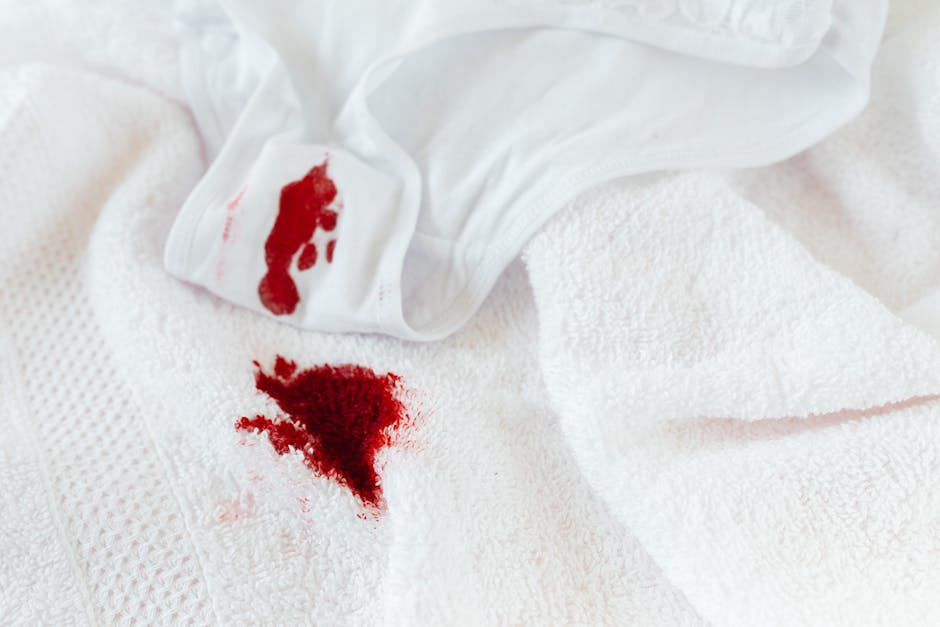
Urgent stain removal for Islington flats same day options
If you live in a flat in Islington and a spill has just landed on the carpet, sofa, rug, or dining chair, you do not really have time for guesswork. Tea, wine, pet accidents, curry, makeup, mud from a wet day in London - these things sink in fast. The longer they sit, the harder they are to lift, and in a flat that often means worrying about odour, neighbours, deposit issues, or simply the sight of an ugly mark staring back at you all evening.
This guide explains urgent stain removal for Islington flats same day options in a practical, no-nonsense way. You will learn what counts as a true same-day job, which stains respond well to fast treatment, when DIY is worth trying, when it is better to stop, and how to choose a local cleaning service without making the problem worse. To be fair, that last part matters more than people think.
We will also cover service comparisons, what to prepare before a cleaner arrives, what standards to expect, and how related services like professional stain removal, carpet cleaning, and sofa cleaning can fit into a same-day rescue plan.
Table of Contents
- Why Urgent stain removal for Islington flats same day options Matters
- How Urgent stain removal for Islington flats same day options Works
- Key Benefits and Practical Advantages
- Who This Is For and When It Makes Sense
- Step-by-Step Guidance
- Expert Tips for Better Results
- Common Mistakes to Avoid
- Tools, Resources and Recommendations
- Law, Compliance, Standards, or Best Practice
- Options, Methods, or Comparison Table
- Case Study or Real-World Example
- Practical Checklist
- Conclusion
- Frequently Asked Questions
Why Urgent stain removal for Islington flats same day options Matters
In flats, small cleaning problems tend to feel bigger. Space is tighter, airflow can be limited, and stains often sit on shared-use surfaces that everyone notices quickly. A mark on a hallway runner, sofa arm, or pale bedroom carpet can make an otherwise tidy flat feel untidy in seconds. That is especially true in Islington, where many homes are compact, busy, and lived in at full pace.
Urgency matters because some stains set fast. Protein-based spills, dairy, pet accidents, red wine, coffee, and sauces can bond with fibres or seep into underlay if left too long. On hard flooring, the issue can be staining at the grout line or finish damage from the wrong cleaner. On upholstery, moisture can spread the stain wider, which is a classic annoyance. You clean it... and somehow it looks worse. Lovely.
Same-day options are useful not just for appearance, but for calm. If you are hosting guests, moving out, managing a flat share, or dealing with a tenant handover, quick action reduces stress and gives you a better chance of preserving the material underneath. For landlords and letting agents, fast response can also help avoid a stubborn mark turning into a more expensive restoration job later.
There is also the simple local reality: flats in Islington often have stairs, limited parking, and awkward access. A cleaner who understands that can plan realistically, arrive prepared, and work within the space instead of treating it like a generic house job. That practical understanding makes a difference.
How Urgent stain removal for Islington flats same day options Works
Same-day stain removal is usually a rapid-response service built around speed, assessment, and targeted treatment. It is not just "turn up and spray something". A proper visit normally follows a simple process:
- Quick initial assessment. The cleaner identifies the material, stain type, age of stain, and any risk factors such as dye transfer or moisture sensitivity.
- Testing first. On fabrics and carpets, a small test patch is usually checked to avoid colour loss or fibre damage.
- Targeted pre-treatment. The correct spot treatment is applied rather than a one-size-fits-all product.
- Controlled agitation or extraction. Depending on the surface, the stain is lifted with blotting, fibre-safe agitation, hot water extraction, or another suitable method.
- Rinsing and residue removal. Removing cleaning residue matters because leftover product can attract dirt later.
- Drying guidance. The cleaner should explain how long the area may take to dry and what to avoid while it does.
For carpets, a same-day visit may involve specialist stain treatment followed by steam carpet cleaning where appropriate. For sofas or dining chairs, upholstery cleaning is often the safer route because fabrics can behave very differently from carpets. And for pet-related incidents, a dedicated approach such as pet stain and odour removal is often needed because smell can linger long after the visible mark has gone.
The key thing is this: same-day does not always mean instant perfection, but it should mean rapid stabilisation and a meaningful improvement. Often that is exactly what you need to save the surface and your afternoon.
Key Benefits and Practical Advantages
When done well, urgent stain removal gives you more than a cleaner-looking room. It can protect the surface, the fabric, and your time. Here are the main advantages:
- Less chance of permanent marking. The sooner the stain is treated, the better the odds of lifting it cleanly.
- Reduced odour. This matters with food, drinks, and especially pet accidents.
- Lower risk of spreading the stain. Fast professional treatment is often more controlled than scrubbing with whatever is under the sink.
- Better for tenancy handovers. Useful if you are preparing for an inspection, end of tenancy, or new move-in.
- Less disruption. A same-day job can prevent a tiny incident from dominating the rest of your week.
- More suitable for delicate surfaces. Upholstery, wool carpets, and natural stone can all suffer from harsh DIY methods.
There is another advantage that people overlook: confidence. If you know a stain has been treated properly, you stop hovering over it every ten minutes, looking for a miracle. You move on. That sounds small, but in a busy flat, it really does matter.
For households that need broader support, same-day stain work can sit inside a wider cleaning visit such as one-off cleaning, deep cleaning, or domestic cleaning. The stain is the urgent issue, but the bigger goal is getting the flat back to normal.
Who This Is For and When It Makes Sense
This service is most useful for people who need an immediate, visible improvement and cannot wait days for a routine appointment. Typical situations include:
- tenants facing an inspection or checkout clean
- landlords or agents dealing with a last-minute stain before viewings
- flat sharers with a spill on shared furniture or carpet
- Airbnb hosts needing a quick reset between bookings
- families dealing with a fresh food, drink, or pet accident
- anyone preparing for guests, photos, or a sale viewing
It makes sense when the stain is fresh, when the material is valuable, or when the stakes are high. If the stain is tiny and old, a DIY spot clean might be enough. But if it is spreading, smells, or sits on a prominent surface, same-day support can save both time and money.
It is also worth saying that not every stain should be attacked straight away with water. Some dyes, inks, and greasy marks can set further if they are rubbed in. In those cases, pausing and getting proper advice is often the smartest move. Slightly annoying, yes. Still smarter.
For flats used for short stays, linking stain response with Airbnb cleaning or move-out cleaning can be a practical way to keep turnaround times under control.
Step-by-Step Guidance
If a stain appears in your flat today, use the following approach before, during, and after a same-day service call.
- Act quickly, but do not panic. Calm beats scrubbing every time.
- Blot first. Use clean paper towels or a white cloth. Press gently; do not rub.
- Identify the spill. Food? Drink? Pet accident? Ink? Makeup? This helps decide what treatment may work.
- Avoid mixing cleaners. Especially bleach, ammonia, vinegar, or random household sprays. Mixing products is a bad idea, full stop.
- Protect the area. Keep pets, children, and shoes off the spot if possible.
- Take a photo. Useful if you are reporting the issue to a landlord, cleaner, or letting agent.
- Check the material. Carpet, wool rug, velvet sofa, leather chair, laminate floor - each needs a different approach.
- Book the right service. For fibre surfaces, stain treatment may be enough; for larger affected areas, carpet or upholstery cleaning may be more suitable.
- Prepare access. In flats this can mean clearing a path, unlocking the building entrance, and making sure parking or buzzer details are clear.
- Follow aftercare instructions. Drying time, ventilation, and foot traffic restrictions all matter.
If the stain is on a carpet and there is any sign of spreading into the pile, a specialist may decide to treat the spot first and then clean the whole patch for an even finish. That avoids the dreaded "clean circle" effect, which is not exactly the look anyone is going for.
Expert Tips for Better Results
Some stains are more forgiving than others, but a few habits consistently improve the outcome.
- Use the least aggressive method first. Blotting and controlled treatment beat hard scrubbing.
- Work from the outside in. This helps prevent the stain from spreading wider.
- Use white cloths. Coloured towels can transfer dye, especially on damp fabric.
- Ventilate the room. Open a window if you can. In a flat, airflow helps drying and reduces lingering smell.
- Be careful with heat. Hot irons, steam from a kettle, and hairdryers can lock in some stains.
- Spot test every time. Even mild-looking products can affect colour or finish.
- Don't chase perfection immediately. Some marks need a second pass after drying. That is normal.
A useful rule of thumb: if you are not sure what the stain is, do less. That may sound backwards, but it is often the safest choice. A tiny mistake on a pale wool carpet can turn into a much bigger problem than the original spill.
For surfaces beyond carpet, the same principle applies. A delicate rug may need rug cleaning, while a stained chair or headboard may be better handled through upholstery cleaning. The right match saves a lot of grief.
Common Mistakes to Avoid
Here is where people often go wrong, especially in a rush.
- Rubbing instead of blotting. Rubbing pushes the stain deeper and can rough up the pile.
- Using too much water. Excess moisture can spread the mark or soak into the underlay.
- Applying stain remover blindly. Some products work on one stain type and fail badly on another.
- Using coloured cloths or sponges. Dye transfer is sneaky.
- Over-wetting upholstery. Sofas and armchairs can hold moisture longer than expected.
- Ignoring odour. A stain that looks lighter but still smells is not properly dealt with yet.
- Waiting until the stain has set. Time is the enemy here. Truth be told, that is the biggest one.
Another common mistake is treating every stain as if it were just dirt. Some are chemical, some are protein-based, and some are dye transfer. Different problem, different fix. A professional will usually ask a few simple questions before starting for exactly that reason.
If the stain sits on hard flooring, be especially careful. Wrong products can dull finishes or leave patchy residue. In that case, hard floor cleaning is often safer than improvising with whatever cleaner is nearby.
Tools, Resources and Recommendations
You do not need a cupboard full of gadgets. For most urgent situations, the useful basics are plain and simple:
- clean white cloths or paper towels
- lukewarm water
- a mild, material-appropriate cleaner
- a soft brush for some carpets, if suitable
- a bowl for rinsing cloths
- a fan or good natural airflow for drying
For professional help, choose a provider that can explain how they will treat the stain, what they will test first, and how long the finish may take to dry. Clarity is a good sign. Vague promises are not.
It is also sensible to check practical support pages before booking. If you want a broader tidy-up after the stain is handled, house cleaning and regular cleaning can help keep the rest of the flat under control. If the issue comes from a renovation or move, after builders cleaning or move-in cleaning may be more relevant.
For service expectations, useful supporting pages include pricing and quotes, insurance and safety, and health and safety policy. Those pages help set expectations around access, liability, and safe working practices in residential properties.
Law, Compliance, Standards, or Best Practice
For most readers, the compliance angle is less about legal technicalities and more about sensible, accepted practice. In the UK, cleaners working in occupied flats should follow safe chemical handling, appropriate dilution, and careful treatment of surfaces. They should also respect building access rules, avoid creating hazards, and work in a way that does not put residents or neighbours at risk.
From a customer perspective, the best practice checklist is straightforward:
- confirm what surface is being treated
- ask whether a spot test will be done
- check whether the area should be kept off limits while drying
- make sure the provider has clear insurance cover
- read service terms before authorising the work
If you are booking for a managed building, shared block, or commercial space, access and resident safety become even more important. A sensible provider will be used to working around lifts, hallways, time windows, and building entry procedures. For those situations, services like communal area cleaning and commercial cleaning may also be relevant if the problem extends beyond one flat.
There is no need to overcomplicate this. Good practice is mostly common sense, applied properly and consistently. Boring? Maybe. Effective? Absolutely.
Options, Methods, or Comparison Table
Not every stain needs the same response. The right choice depends on the surface, urgency, and how much risk you are willing to take. Here is a simple comparison.
| Option | Best for | Speed | Risk level | Notes |
|---|---|---|---|---|
| Blotting and home first aid | Fresh spills on robust fabrics | Immediate | Low if done gently | Good first step, but not always enough |
| Spot treatment by a cleaner | Isolated marks on carpet or upholstery | Same day or fast appointment | Moderate | Useful when the stain is fresh but stubborn |
| Steam carpet cleaning | Carpets with visible staining or soiling | Same day treatment, drying afterward | Moderate | Often better for larger affected areas |
| Upholstery cleaning | Sofas, dining chairs, cushions | Fast once booked | Moderate to higher on delicate fabrics | Needs fabric awareness and careful moisture control |
| Specialist pet stain and odour removal | Urine, vomit, lingering smells | Fast when available | Moderate | Better than basic cleaning if odour is part of the issue |
In practice, the best option is often a combination. A cleaner might spot treat first, then clean a larger zone for consistency, then advise on drying and aftercare. That layered approach is usually more reliable than hoping one pass will magically solve everything.
Case Study or Real-World Example
Picture a typical Islington flat on a weekday evening. A tenant spills red wine on a light carpet during dinner. It happens near the sofa, so the stain has already started creeping into the fibres before anyone notices properly. The room is warm, the windows are closed, and the first instinct is to scrub with kitchen paper and a bit of spray cleaner.
By the time the cleaner is called, the mark looks smaller but darker at the edges. Very normal, unfortunately. The right response in that situation is not panic. It is a quick assessment, a fabric-safe test, and controlled treatment. In many cases, the aim is to lift the dye as much as possible and reduce the visual ring left behind by the first DIY attempt.
If the same flat also has a mark on the sofa arm from the glass tipping over, then a combined visit may be the smartest route: targeted stain removal on the carpet, then upholstery care for the fabric arm. If odour is present too, especially if there was food or pet involvement, the cleaner may recommend a more specific treatment rather than a general wipe-down.
That is the pattern with most urgent jobs. The real win is not just removing what you can see. It is stopping the spill from becoming a long-term annoyance.
Practical Checklist
Use this checklist when you need same-day stain help in a flat.
- Identify the stain type if possible
- Blot gently with a clean white cloth
- Do not scrub or soak the area
- Keep mixed cleaners away from the stain
- Take a clear photo for reference
- Note the surface: carpet, rug, sofa, chair, hard floor, curtain
- Check whether the stain is fresh, drying, or already set
- Clear access in the flat before the cleaner arrives
- Ask about spot testing and drying time
- Keep pets and children away from the treated area
- Follow aftercare instructions carefully
If you are dealing with more than one problem at once - perhaps carpet marks, a stained chair, and a dirty hallway - a broader visit such as one-off cleaning or house cleaning can make more sense than tackling each issue separately.
Get a free quote today and see how much you can save.
Conclusion
Urgent stains in Islington flats are stressful, but they are usually manageable if you act early and choose the right method. The main thing is to avoid making a fresh spill worse with panic cleaning. A few calm minutes, the right cloth, and the right kind of same-day help can change the outcome quite a lot.
If you need speed, look for services that understand flats, access, fabric types, and realistic drying times. If you need longer-term support, think about how stain treatment fits into regular upkeep, carpet care, upholstery care, or tenancy prep. It all connects.
And if tonight feels a bit chaotic because there is a dark patch on the carpet and guests are due tomorrow, deep breath. These situations are fixable more often than not, and a good plan usually beats a perfect one.
A tidy flat has a way of giving your head a bit more room, doesn't it?
Frequently Asked Questions
Can urgent stain removal in an Islington flat really be done the same day?
Yes, in many cases it can. Fresh stains on carpets, rugs, sofas, and hard floors are often suitable for same-day treatment if access is straightforward and the cleaner has the right tools with them.
What stains are easiest to treat quickly?
Fresh drink spills, light food marks, and some surface-level dirt stains are often the easiest to improve quickly. The sooner they are handled, the better the chance of a clean result.
What stains are hardest to remove from flats?
Old dye stains, ink, red wine that has dried in, bleach damage, and pet accidents that have soaked into underlay can be much harder. Sometimes the goal is reduction, not total removal.
Should I try to clean the stain myself first?
Only lightly and carefully. Blotting is fine, but aggressive rubbing or over-wetting usually makes things worse. If you are unsure, stop and wait for advice.
Is same-day stain removal suitable for upholstery?
Often yes, but only if the fabric is appropriate for wet cleaning or spot treatment. Sofas and dining chairs can vary a lot, so the cleaner should test first.
How long does a same-day stain removal visit usually take?
It depends on the size of the stain, the material, and whether drying support is needed. A small spot job may be fairly quick, while larger carpet or upholstery work takes longer.
Will the stain disappear completely?
Sometimes yes, sometimes not. A lot depends on how fresh the stain is and what caused it. Honest providers should explain whether full removal is likely or whether visible improvement is the realistic goal.
What should I do if the stain smells as well as looks bad?
That usually means you need more than a surface clean. Odour can come from liquid soaking deeper into fibres or padding, so a specific treatment such as pet stain and odour removal may be needed.
Can same-day stain removal help before a tenancy inspection?
Yes, and that is one of the most common reasons people book it. Fast treatment can improve the appearance of carpets and furniture before checkout photos or a final visit.
Is it safe to use bleach on a stain in a flat?
Usually no, especially on carpets, upholstery, and coloured fabrics. Bleach can damage fibres, change colour, and make the stain permanent in a different way. Not ideal, to put it mildly.
What details should I give when booking urgent stain removal?
Say what the stain is, where it is, how long it has been there, what surface it is on, and whether there is odour. A photo helps too, because it gives the cleaner a better idea of what they are walking into.
When is it better to book a wider cleaning service instead of just stain removal?
If the stain is part of a bigger problem - for example, after a party, move-out, or renovation - a broader service like deep cleaning or one-off cleaning may be more efficient and cost-effective.